5 Ways Your Coat Changes How Your Fragrance Reads
Quick Answer: A coat changes fragrance three ways: it traps and then releases scent in bursts when you open it indoors, it absorbs oils into fabric where they linger for days and layer with your next scent, and it blocks the pulse points that were doing the projecting. Apply to the skin above the collar line and to your hair or scarf, not to your chest and wrists under a closed coat, and expect what you smell outdoors to be almost nothing compared with what the room gets when you take it off.
Outside, you cannot smell it at all.
You walk into a warm café, unbutton, and the whole room can.
Both are the coat.
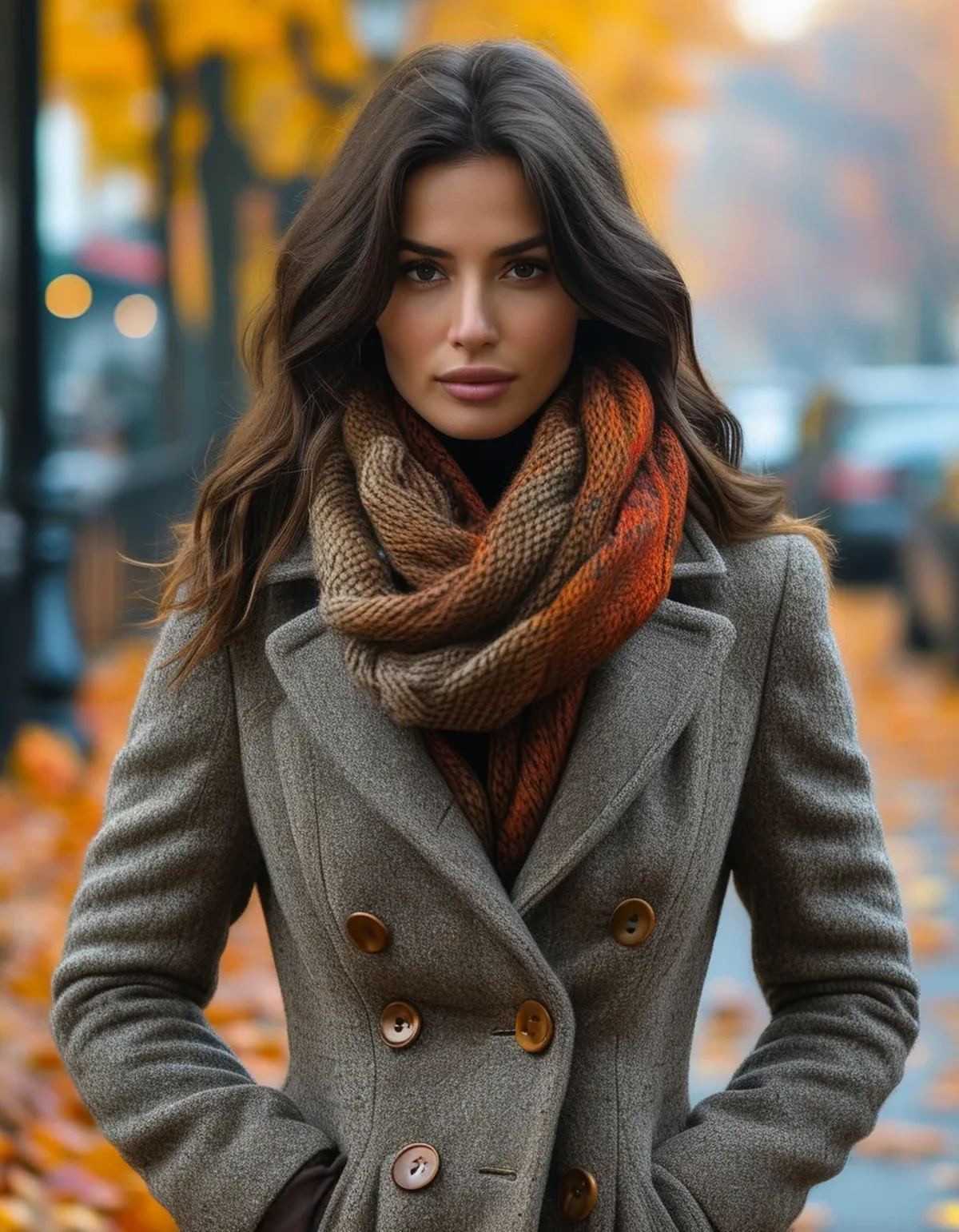
Way 1: Your coat becomes a scent reservoir
Wool, cashmere and heavy cotton absorb fragrance oils readily and hold them for far longer than skin does.
That means two things. First, the scent you wore on Tuesday is still in the coat on Friday, layering with whatever you apply next — which is the most common reason a signature scent ‘smells different’ in autumn without any reformulation.
Second, the coat becomes the dominant source of what people around you actually smell, because it has more surface area than your wrists and it has been collecting for weeks.
What to do: pick one fragrance per coat for a season if you can, or air the coat between different scents. Hanging it somewhere with airflow for 24 hours clears most of the residue. Never spray directly onto wool if you plan to change fragrances — the oils bind and stay.
One test: hold the collar of your coat up to your nose right now. Whatever you smell is what your coat is contributing to every outfit.
Way 2: It traps, then releases in one burst
A buttoned coat holds warm air against your body, and warm air holds volatile molecules. Nothing escapes while you are outside.
Then you walk into a heated room and open it. The trapped air releases in a single concentrated cloud — which is exactly the moment everyone around you registers your fragrance at three times the intensity you intended.
This is why people consistently over-apply in cold weather. You cannot smell it outdoors, so you add more, and the indoor release is enormous.
What to do: apply the same amount you would in summer, or slightly less, and accept that you will not smell it while walking. Judge your dose by what happens when you take the coat off, not by what you smell on the street.
A practical rule: if you can smell yourself clearly while wearing a buttoned coat outdoors, you have applied far too much for indoors.
Way 3: It blocks the pulse points you actually used
Standard application targets wrists, inner elbows and the chest — all of which sit under a coat, a scarf and often a jumper in cold weather.
Heat drives projection. A pulse point under three layers is warm but sealed, so it contributes almost nothing to the air around you until you undress.
Meanwhile the parts of you that are exposed — neck above the collar, behind the ears, hair — are cool, which reduces projection from a different direction.
What to do: shift application upward. Behind the ears, the sides of the neck above where the collar sits, and the nape if you wear your hair up. These stay in contact with moving air.
Do not abandon the wrists entirely — they still work indoors, and they are what you smell yourself. Just stop treating them as the main event in December.
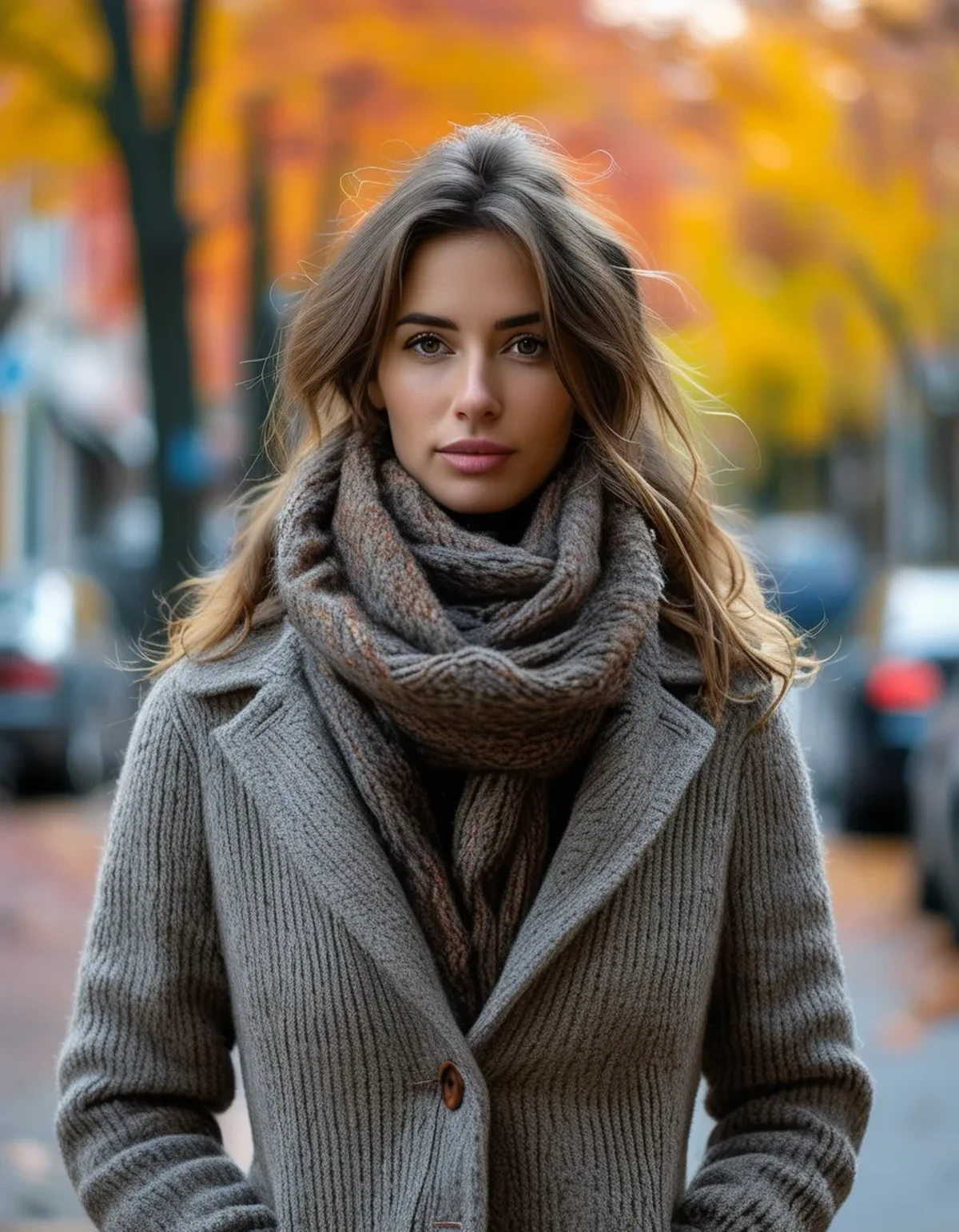
Way 4: Cold air genuinely mutes projection
Fragrance molecules need warmth to evaporate. At 5°C, the top notes that dominate a summer wearing barely lift off the skin at all.
The practical effect is that light, fresh, citrus-forward scents can vanish almost entirely outdoors, while heavier compositions — amber, resin, vanilla, woods — still read because their molecules are larger and their base notes do the work.
This is the actual reason ‘winter fragrances’ exist as a category. It is not fashion; it is volatility.
What to do: if you love a light scent, do not fight physics — apply it to your scarf or hair, where it sits closer to your face and away from the temperature drop of exposed skin. Hair holds fragrance beautifully and releases it with movement.
Or layer it. A richer base underneath a light scent gives the top notes something to sit on, which extends them considerably in cold air.
Way 5: The indoor-outdoor swing changes it hour by hour
A winter day is not one environment. You go from 5°C outside to 22°C on a train to a warm office and back out again, repeatedly.
Each warm interval accelerates evaporation and burns through the composition faster than a stable temperature would. A fragrance that lasts eight hours on a mild day can be gone by mid-afternoon on a day with four indoor-outdoor transitions.
It also means the scent profile shifts unevenly — top notes get pushed through quickly during warm intervals, so you reach the base notes earlier than expected.
What to do: apply where the temperature is most stable — under the hairline, behind the ears — rather than on hands and wrists that are exposed and re-warmed repeatedly.
Carry a small decant if longevity matters and reapply once at midday to the neck, not the wrists.
Seasonal note: the first genuinely cold week of the year is when most people conclude their fragrance ‘stopped working’. It did not. The coat came out.

FAQ: Cold Weather Fragrance Questions, Answered
Should I apply more in winter?
No — apply the same or slightly less, and higher up. The indoor release is what everyone else experiences, and it is stronger, not weaker.
Where exactly should I spray?
Behind the ears, the sides of the neck above the collar, and lightly on hair or a scarf. Wrists still work but do far less under layers.
Can I spray directly on my coat?
You can, but it lingers for weeks and will layer with future fragrances. Spray a scarf instead — it is washable and replaceable.
Is spraying my hair safe?
Alcohol is drying. Mist onto a brush and run it through, or spray a scarf, rather than saturating the hair directly.
Why does my light citrus scent disappear outdoors?
Cold air suppresses evaporation of small volatile molecules. Layer it over something richer, or move it to your scarf.
How do I clear old scent from a coat?
Air it with good airflow for 24 to 48 hours. Persistent residue in wool may need professional cleaning.
How often should I reapply?
Once at midday if needed, to the neck. Frequent indoor-outdoor swings shorten longevity more than the cold itself does.
TL;DR:
- Coats absorb and hold fragrance for days, layering with whatever you wear next.
- A buttoned coat traps scent, then releases it in one burst indoors — so apply the same or less, not more.
- Move application above the collar line: behind the ears, sides of the neck, hair or scarf.
- Cold air suppresses light, citrus-forward scents; richer bases carry better outdoors.
- Repeated indoor-outdoor swings shorten longevity more than temperature alone.
Smell your coat collar today. Whatever is on there is what people have been smelling all season.
Keep Reading
This article is for general informational and styling purposes only. Fit, sizing, and product availability may vary.